DEEP DIVES & TOPICS
Deep Dives & Ecosystem Analysis
Fact-based, deep-dive technical and economic analyses addressing core community questions across Flare's latest milestones.
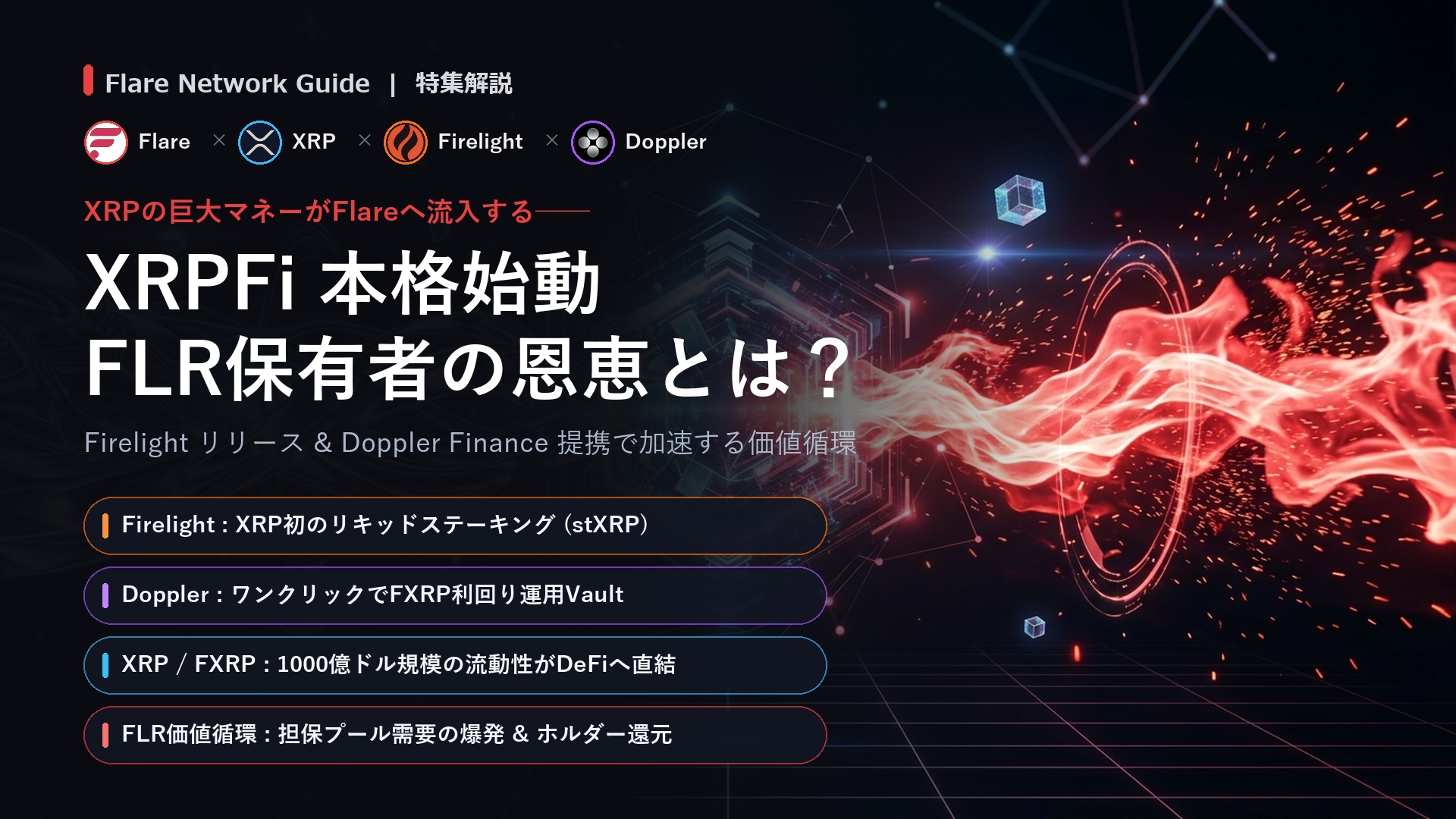
Deep Dive: What Makes Firelight & Doppler Finance Big? Understanding XRPFi from a FLR Holder's Perspective
Why real yield venues for XRP directly drive utility, burning mechanisms, and long-term value for the FLR token. Fact-based analysis from official announcements and primary sources.
Key Takeaways
- •In October 2026, Doppler Finance announced a strategic partnership with Flare Network at XRP SEOUL 2026, followed immediately by Flare's official announcement that Firelight Protocol has gone live.
- •Firelight expanded its aggregate staking deposit cap to 115 million XRP. Depositors receive stXRP for DeFi yield and composability, while their staked capital acts as a collective backstop underwriting DeFi Loss Coverage for protected vaults (starting with Sentora).
- •Far from being just 'for XRP holders', the updated tokenomics under Core Vault and FIP.16 directly tie XRP activity to FLR value via a 20x higher gas burn rate, protocol revenue redirection to FIRE (inflation reduction & buybacks), and redemption fee sharing.
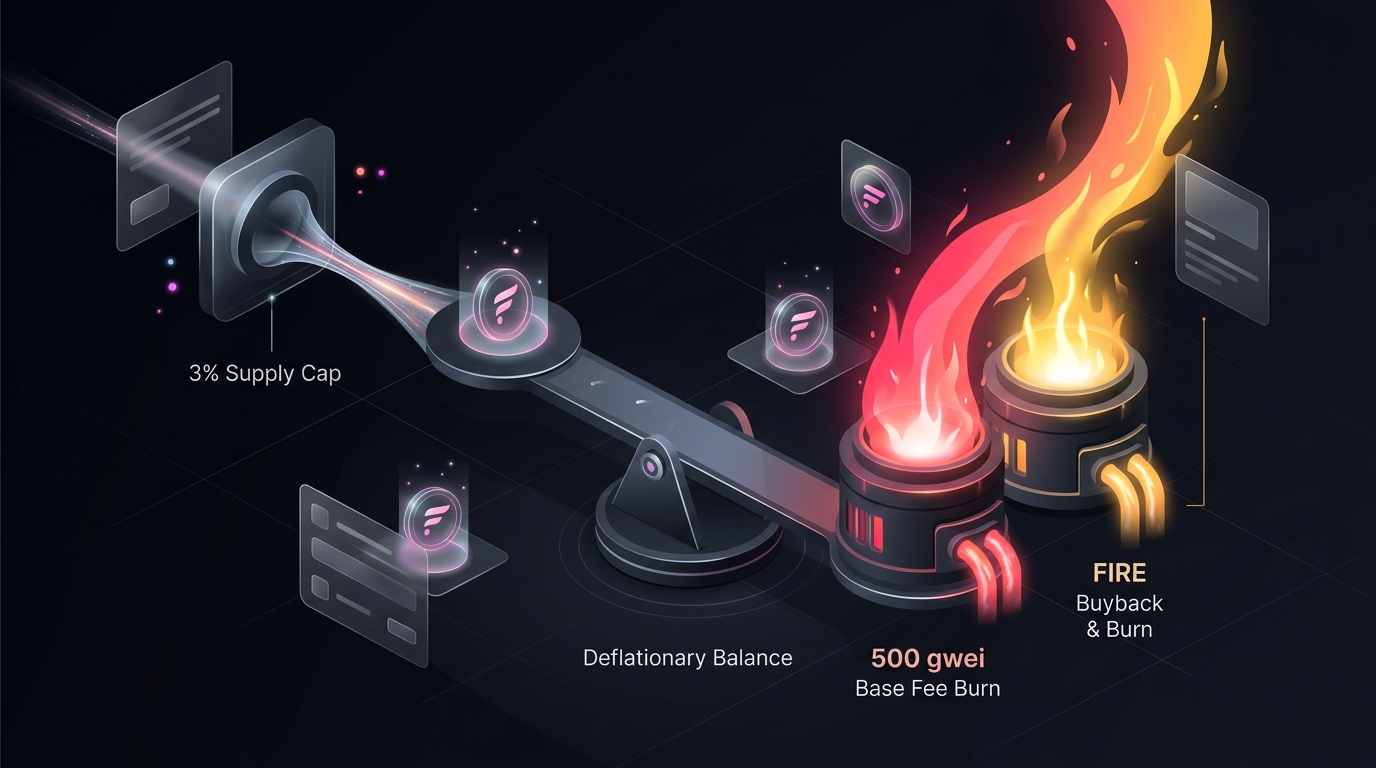
Understanding FIP.16 & FIRE Burn: Flare's 3% Inflation Target and Deflationary Roadmap
A new era after FlareDrops: How 20x higher gas burns and real protocol revenue burning through FIRE convert network growth into FLR scarcity.
Key Takeaways
- •With the final completion of the 36-month FlareDrops in January 2026, Flare fully transitioned from token distribution to utility-driven tokenomics. FIP.16 lowered the annual inflation target to 3% (capped at 3B FLR/year).
- •By increasing EIP-1559 base gas fees by 20x, transaction burn rates accelerated 20-fold. In parallel, the newly established FIRE entity aggregates 100% of FAssets mint fees and ~90% of FDC fees to execute market buybacks and permanent burns.
- •As ecosystem TVL and transaction volumes expand, Flare approaches the tipping point where daily burns exceed new issuance, creating net deflation.
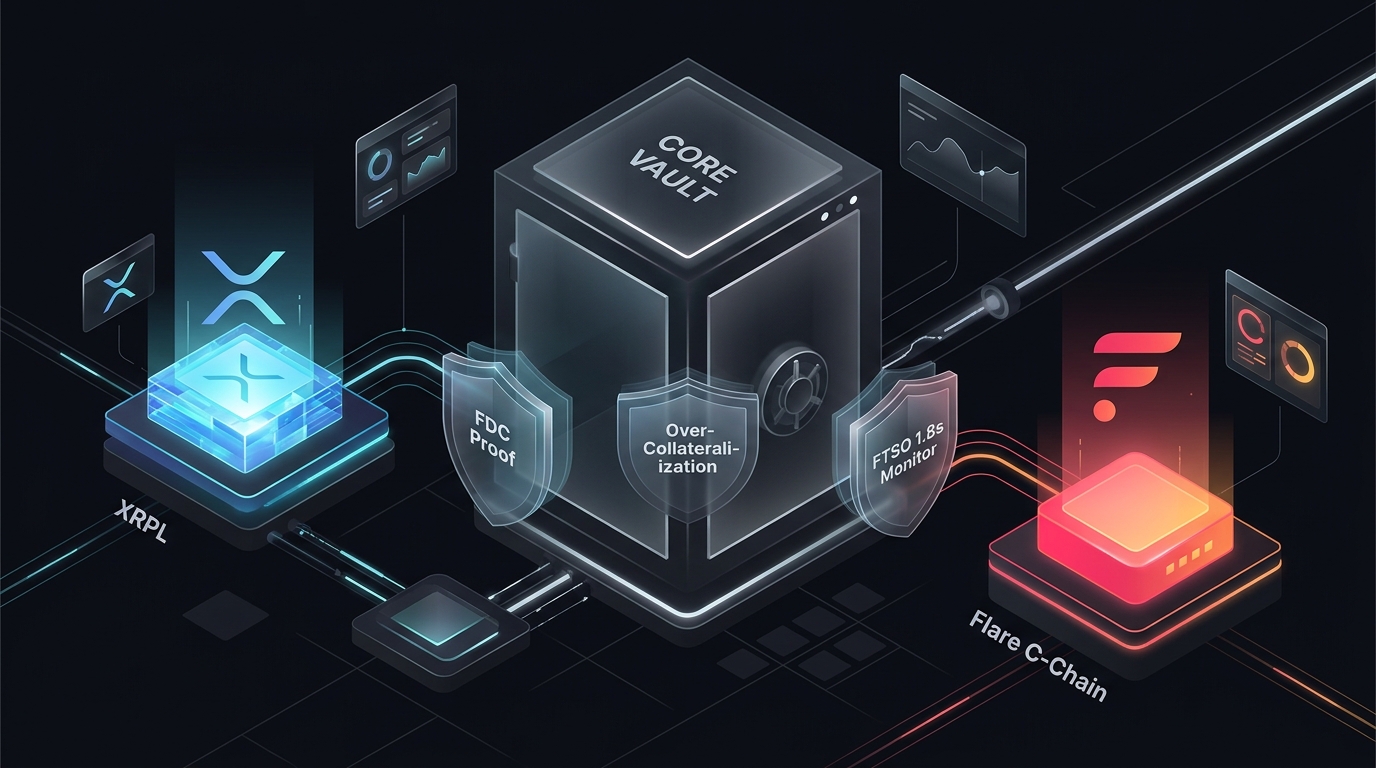
FAssets v1.1 and Core Vault: Trustless XRP in DeFi Without Bridge Hacks
Eliminating traditional multisig bridge risks: How over-collateralization and Core Vault architecture secure XRP on Flare C-Chain.
Key Takeaways
- •Historic bridge hacks stemmed from compromised validator keys in centralized multisigs. FAssets achieves trustless 1:1 backing via smart contracts and cryptographic proofs.
- •Core Vault solved the early bottleneck of agent FLR collateral limitations, allowing institutional-scale XRP liquidity to enter Flare safely.
- •FTSO real-time liquidation monitoring, Flare Data Connector (FDC) payment verification, and automated agent slashing ensure continuous solvency.
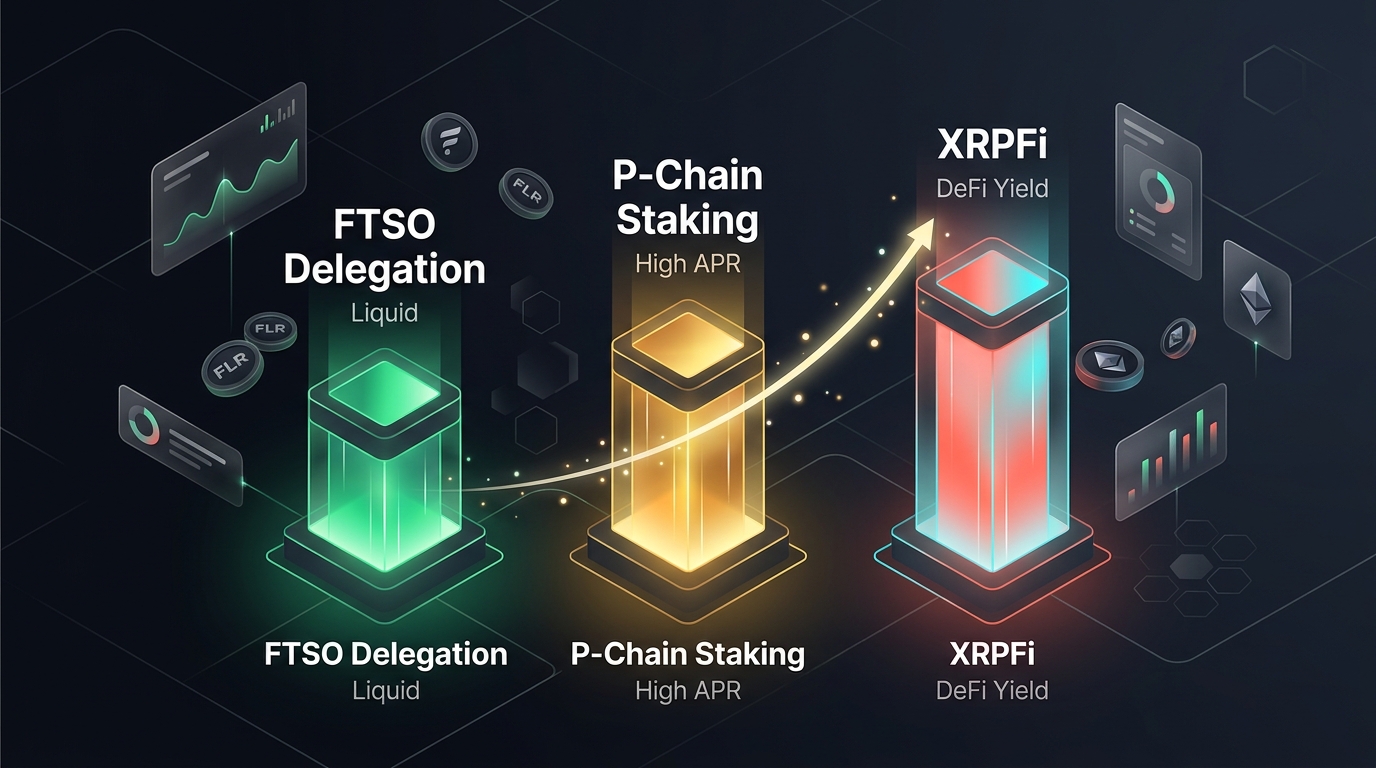
The Complete Guide to Flare Yield: FTSO Delegation vs P-Chain Staking vs XRPFi
Capital requirements, lockup periods, expected APRs, and risk trade-offs compared using live on-chain metrics.
Key Takeaways
- •Three primary yield strategies exist: FTSO Delegation (liquid, no lockup), P-Chain Staking (higher APR, 50k FLR minimum, 14-day lock), and XRPFi (FXRP minting, lending, and DEX pools).
- •Recent on-chain data shows median FTSO APR around 1.25% (1.26% with auto-compounding) and validator staking APR around 8.6%.
- •Understanding the 3.5-day Reward Epoch cycle and Vote Power Block random snapshot is critical for timing delegations.